-
2020-11
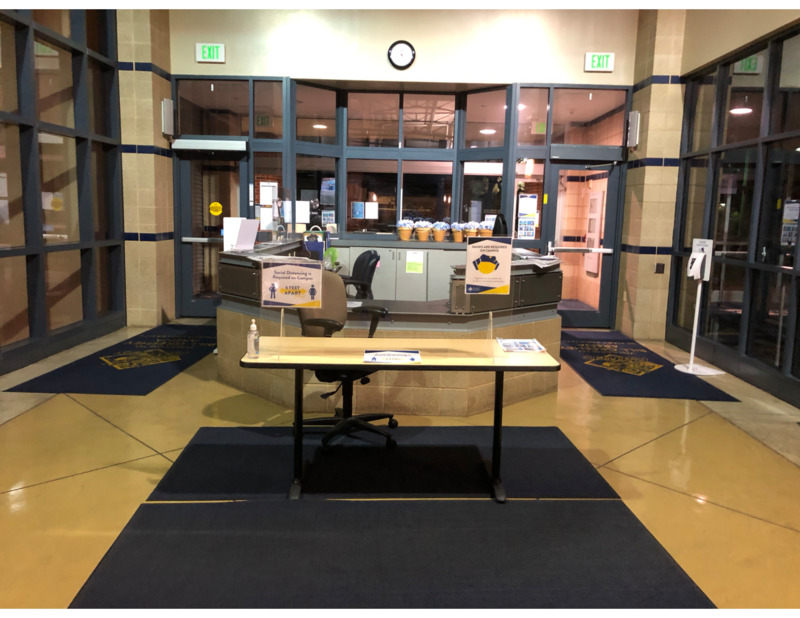
The photograph was taken in the AACC at St. Mary's University. Prior to the pandemic visitors would check-in using their ID cards. Now, patrons must create an appointment online and check-in at the only entrance, get their temperature taken, and leave once their hour appointment is up. This may seem like an inconvenience to some but it is a necessary procedure to ensure the spaces on campus are used safely.
-
2020-11-04
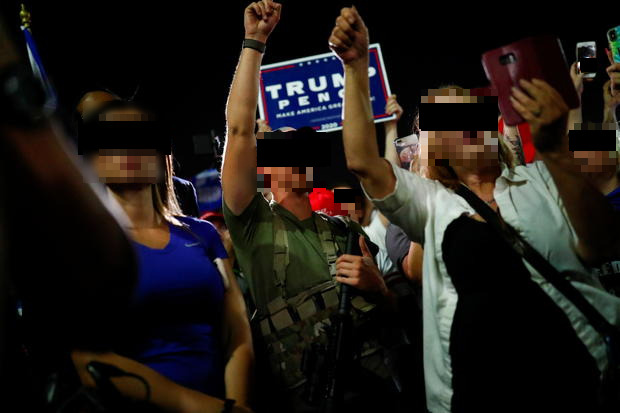
The photograph shows protesting in Phoenix, AZ on the fourth of November. The protesters were majority President Trump supporters, protesting that every vote be counted. Many protests have sprung across the United States for the 2020 election due the election results being undetermined. Most have been peaceful but some turn violent. The one in Phoenix was peaceful but more importantly the election results determine America’s course through the COVID-19 pandemic.
-
2020-09-26
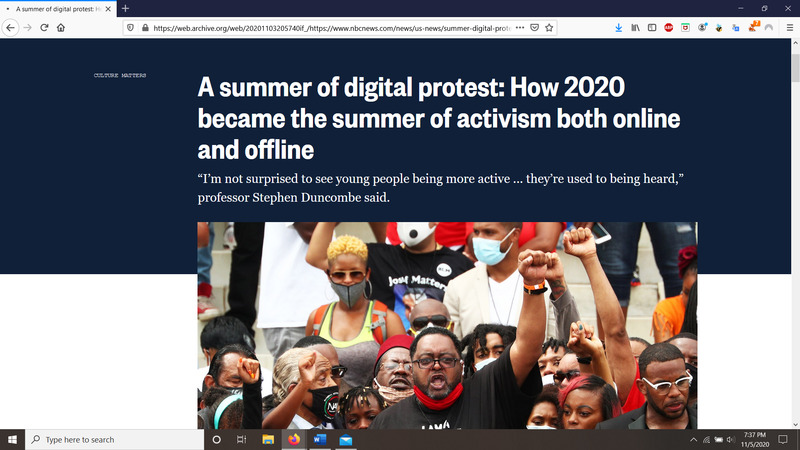
During the summer there were many Black Lives Matter protests around the country. These protests drew large amounts of participants and brought attention to a conversation the country is long overdue on having.
-
2020-11-05
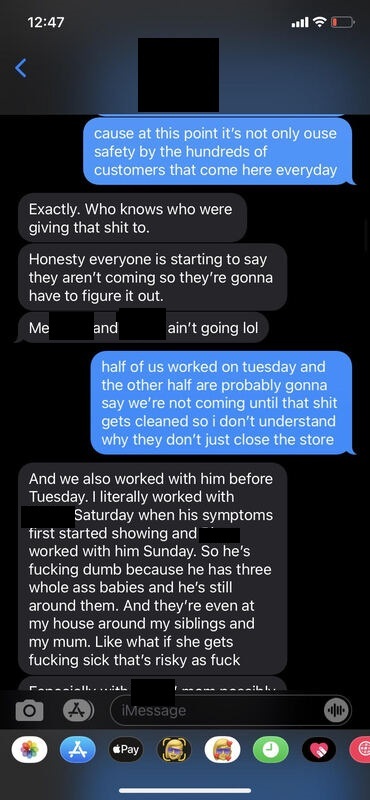
In August, one of the employees that I worked with contracted Covid and our corporate failed to do anything about it at first. They had told us to "just wear our masks and wash our hands," and they had informed us that they weren't going to send out a cleaning team to deep clean the store. We all felt like our company failed us and didn't prioritize our wellbeing and safety. After this happened, I felt like there were other companies out there that react the same way to their staffs, and that the government, on both the local and federal level, should be enforcing Covid precautions and prevention processes with more urgency to protect all kinds of employees in their work environment
-

2020-09-01
While most states report the number of COVID-19 cases and deaths in nursing homes, the number of cases and deaths in assisted living facilities are usually either lumped together with nursing homes or ignored. This not only causes gaps in case data but also leads to the needs of assisted living facilities being ignored.
-

2020-09-08
This video is a representation of how hard COVID has made life for college students, but more importantly, it is a representation of the students' willingness to cooperate and work with each other to make situations flow as smoothly as possible. As first-year college students, we were all incredibly overwhelmed and stressed out by entering a new chapter of our lives, in an entirely new setting that we weren’t used to. In essence, we were thrown into a mess that we didn’t know the outcome of. In fact, we still don’t know the outcome of it. In fact, before the pandemic happened, we all thought we were going to Greece, Hungary, or New Zealand for our study abroad Nuin program. Instead, our options slowly changed to Canada, Ireland, and London, and then eventually dwindled down to Boston or Dublin. This resulted in not only disappointment but a sense of unease for our first semester as college students. We ended up being housed at a local hotel about a mile away from campus. And although none of us liked the rules Northeastern University set for us, regarding guests, partying, and common spaces, we all understood that this was not only to keep us safe but to keep the city of Boston safe as well. I think it’s easy for college students, particularly Northeastern Students, to forget that we are living in a pandemic with serious consequences to the community. Us students are fortunate enough to be getting tested every three days, giving us a blanket of security that ensures we don’t have the virus. But it’s easy to forget that we live in a metropolitan area where others aren’t getting tested. Therefore, if we end up spreading it to other members of the community, we know within three days, but other people within the community don’t. Hence the importance of continuing to maintain social distancing and mask-wearing.
This video is one of the hallmark moments of Nuin students maintaining these ideas and bringing a sense of awareness to the community. Because we live in a hotel, there are other guests that are usually spending the weekend in the hotel, and therefore we do interact with visitors frequently. In one such instance, the elevators were backed up in the building, as it was peak “rush hour” and two of the elevators were broken, and there were only 4 people per elevator. This video shows that even without tape on the floor to guide people to stand six feet apart, they did. Even though students could have easily broken rules and gotten into large groups into the elevators, they didn’t. Nuin Boston came together as a community, not only through painting social distancing but upholding the mentality that we should all look out for each other and put others’ needs before our own. I think many people have a lot of negative things to say about the COVID pandemic, which is understandable for many reasons. Even the first thing someone will find when they look up Nuin Boston is a story of how 11 students got kicked out even before classes started. But there will always be outliers. There will always be those that don’t care about others, that will continue to break rules regardless of their consequences. But it is the students and members of the community that care about the well-being of others that will continue to make a positive impact.
-

2020-11-05
Last summer, in the beginning of the pandemic, I was planning on going to London my first semester of college. A group of students from Northeastern University and I would spend out first semester of college experiencing the city of London and getting to know each other. Because of the pandemic these plans drastically changed. I am now here in Boston for my first semester, not London. This image was taken by me at the Charles River and to me it represents resiliency. My peers and I as well as Northeastern demonstrated resilience by making the best out of a bad situation. Yes, we couldn't go to London. Instead we got to come here to Boston, a place I found to be amazing. The photo shows Bostons beauty from my perspective and represents how I am happy to be here, despite the circumstances. To me it illustrates the importance of resiliency in times like these.
-
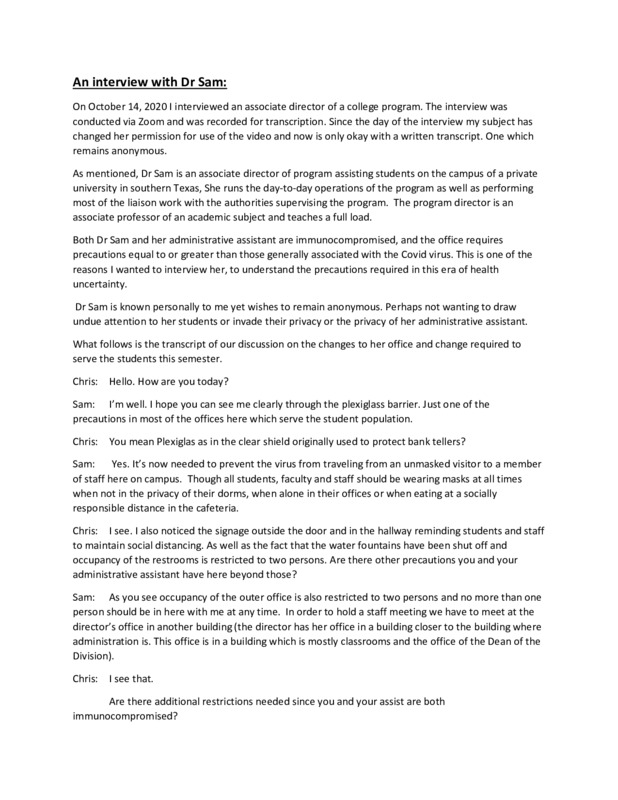
10/14/2020
An interview with an administrator about some of the adaptations needed to work in the pandemic. This like my other submissions is important because I am a member of the high risk group for the virus. Prevention of its spread is important to all of us.
-
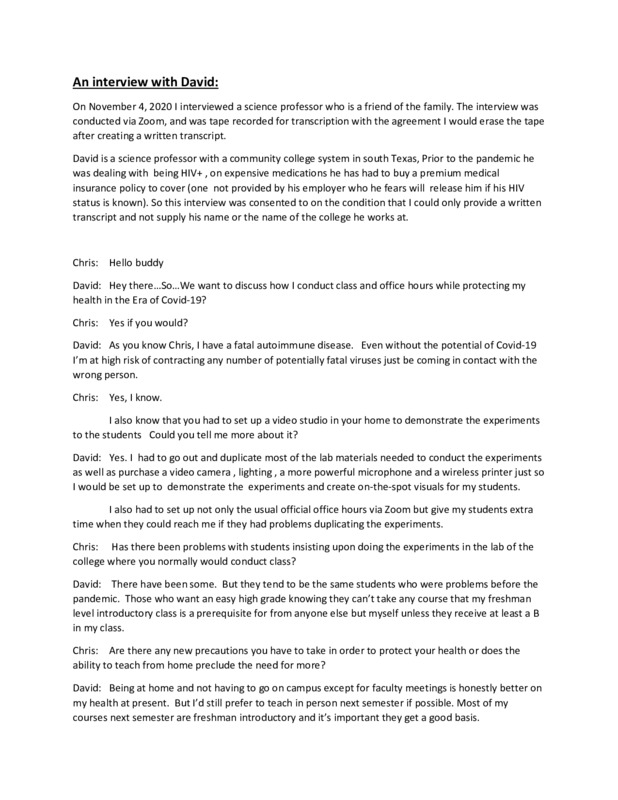
11/04/2020
This is an interview with an instructor who had to adapt to teaching online from live demonstration. He also has health challenges. It's important to me because the health of all of us is important in the pandemic. Especially those in the high risk group like myself.
Written transcript. It is an interview conducted with a professor at a local college.
-
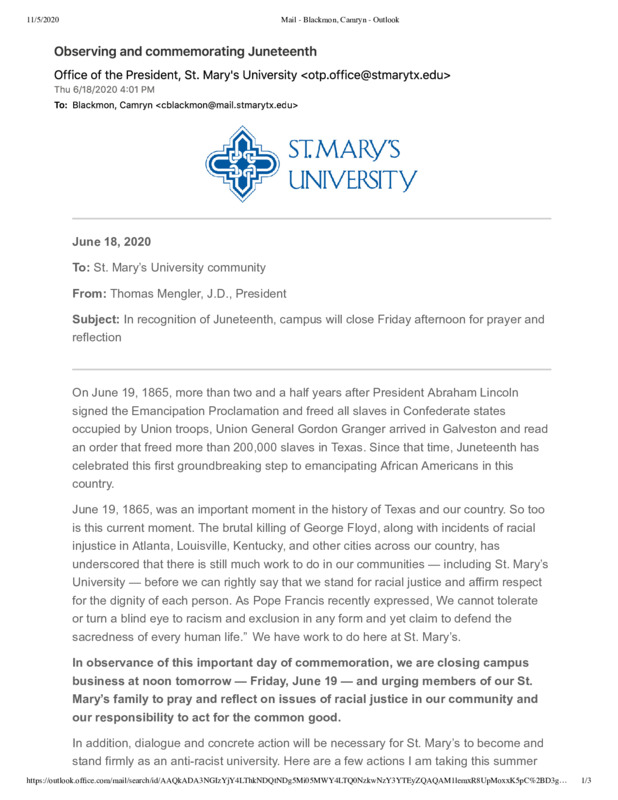
2020-06-18
The object is an email from St. Mary's University President Thomas Mengler recognized Juneteenth stating that campus will be closed that Friday, June 19th, 2020, for prayer and reflection on racial justice and racism in the U.S. In the email, President Mengler acknowledges the murder of George Floyd to reflect on during the summer of mass protests and the Black Lives Matter movement. The campus community is also called to action with upcoming initiatives to create an "anti-racist" university. Dialogue and action are said to occur and relate to the Mariniast belief and tradition to act for the common good.
The email represents a significant time within our pandemic year, which was the death of George Floyd that influenced mass protests and greater momentum for the existing Black Lives Matter, demanding the police be defunded. The email portrays how St.Mary's as an institution has reflected on the national issue and its influence on Marianist culture and call to action.
-
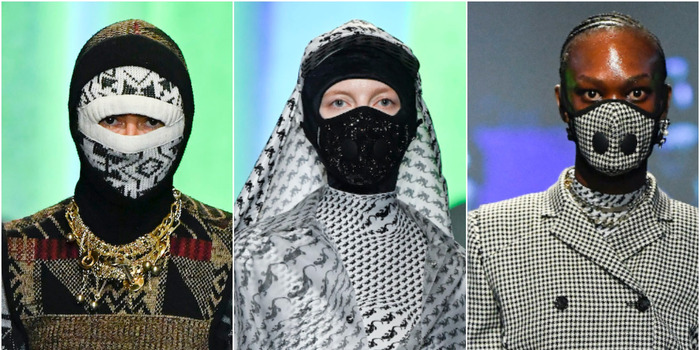
2020-02-28
I chose this piece of media because this shows the intertwining of the government's edict to wear masks and fashion. This made me realize two things- first was that even in a pandemic like this, people still do want to improvise and try to earn money and secondly, beauty and fashion is what makes life worth living, as even in such a tumultuous time such as now, we find a way to overcome and make the world a brighter place;people will always find a way to put fashion and style in everything even in such a dangerous time as this. We see people even taking advantage of this new business venture, as when I was strolling around in Caesar's Palace, I saw a store selling Covid-19 related fashion clothes such as those in the picture above. This seems to be a compromise of the people and the government- "ok, we'll wear masks, but don't take it(the fashion) away from me!".
-
2020-11-05
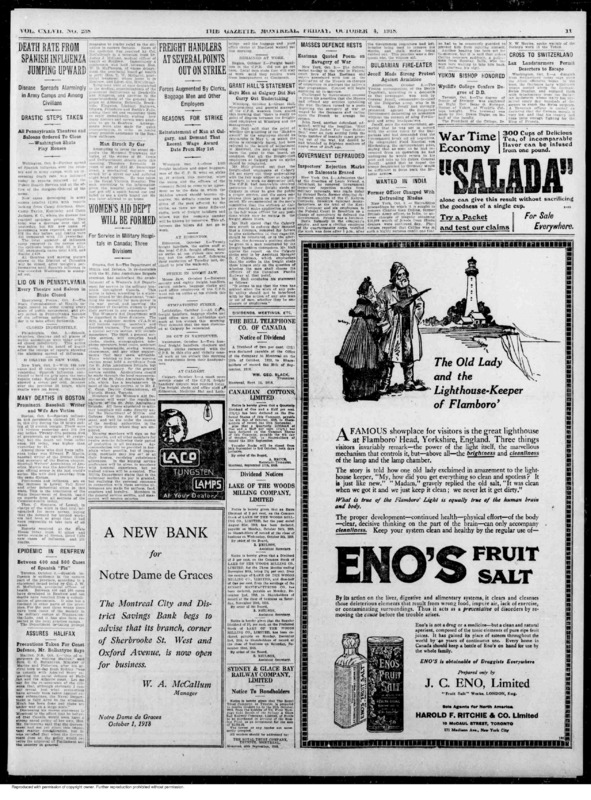
This presentation and interpretation focus on Canada during the Spanish Flu as well as COVID and how similar it is to what we are experiencing in 2020. It shows how different Canada reacted to both pandemics and what we can learn in the future.
-
2020-10-27
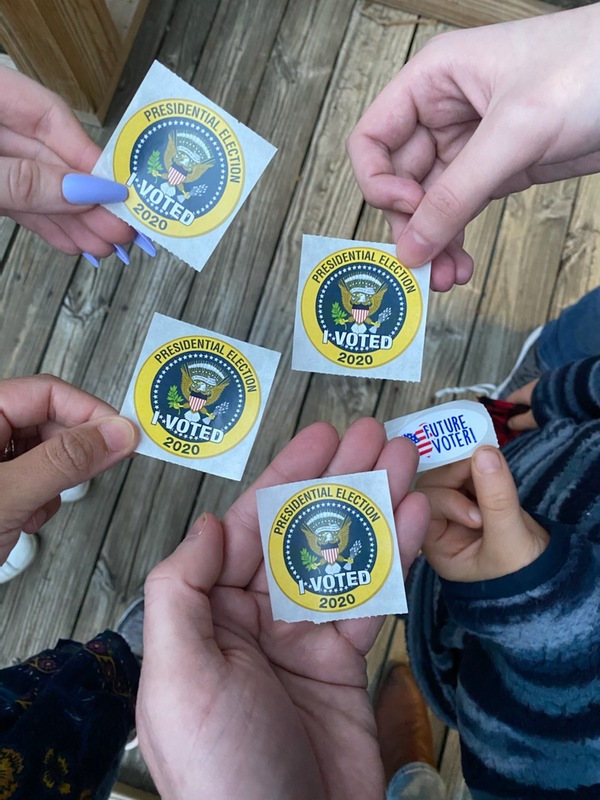
The object is an image of my family and I after voting and holding our “I voted” stickers. The eligible voters in my household are my mother, father, younger brother, and myself. After becoming very invested in politics, my youngest brother, who is eight, got a future voter sticker for coming along. Voting, in general, is a significant task, but this year, with the presidential election, mass amounts of people were expected to vote in person and with mail-in ballots. The pandemic heavily altered what an election usually looks like. Voting in person looked very different and had additional procedures to be cautious. When we entered immediately, we were given a hand sanitizer and a disposable glove to touch the voting machines and ballot. The room setup was different as areas to walk marked off, waiting in line to check-in required voters to wait for six-feet apart from each other. The floors were marked to show directions you could walk in. The voting machines were farther apart than usual to keep everyone at a distance. It was strange to experience a COVID-19 election, especially as this has been an anticipated election for a few years now. Last year I could never have imagined voting in a mask and being given a glove to keep the voting machines clean.
This year is notable for the difficult circumstances of COVID-19 and a year focusing on the historic presidential election.
-
2020-04-30
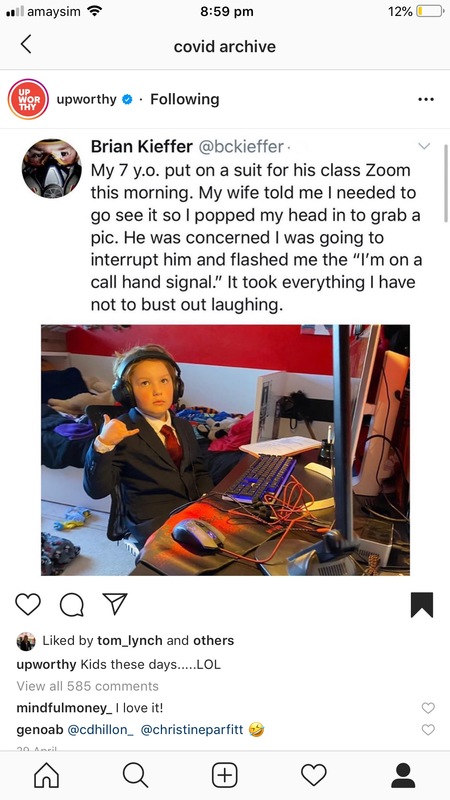
(HIST30060) As a result of Victoria going into lockdown, classes at University of Melbourne went online, with lectures and tutorials being delivered via Zoom. Through both semesters, many technical and other issues have occurred as we've all learned how to use Zoom and gotten used to online learning. This post reflects what I'm sure many people experienced while on a Zoom call; for me, it was my mother walking in on my countless times, forgetting when I would have class, while she also worked at home, and both of us wearing something nice and presentable on top with our athletic/leisure wear out of shot.
-
2020-11-05
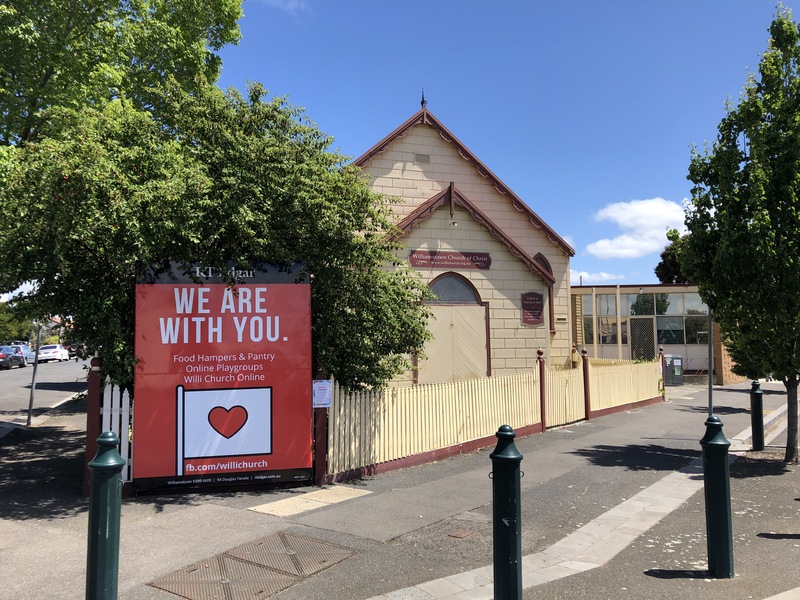
The Williamstown Church of Christ put up a sign on the front fence to advertise food hampers and online services that are being provided during the lockdown. On the right of the image, in front of the reflective building, you may be able to see a grey box. This is a pantry where members of the public can leave their groceries for others to collect.
37°51'17.8"S 144°53'50.5"E
HIST30060
-
2020-11-04
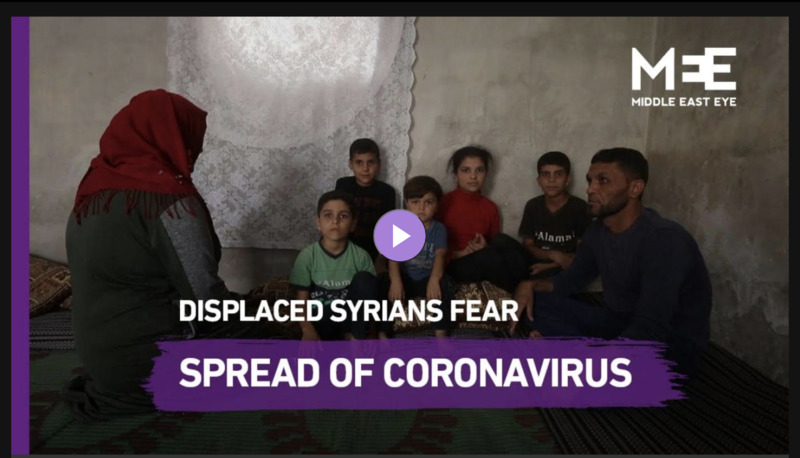
When the US (Obama & Bush administrations) and Russia intervened in the Syrian revolution utilizing a relentless bombing campaign a massive refugee crisis and ISIS was born. The aftermath of these interventions left many Syrians in refugee camps where they are currently to this day. The density of these camps creates a dire situation for the spread of COVID-19. A fear these refugees have to live with.
-
2020-11-04
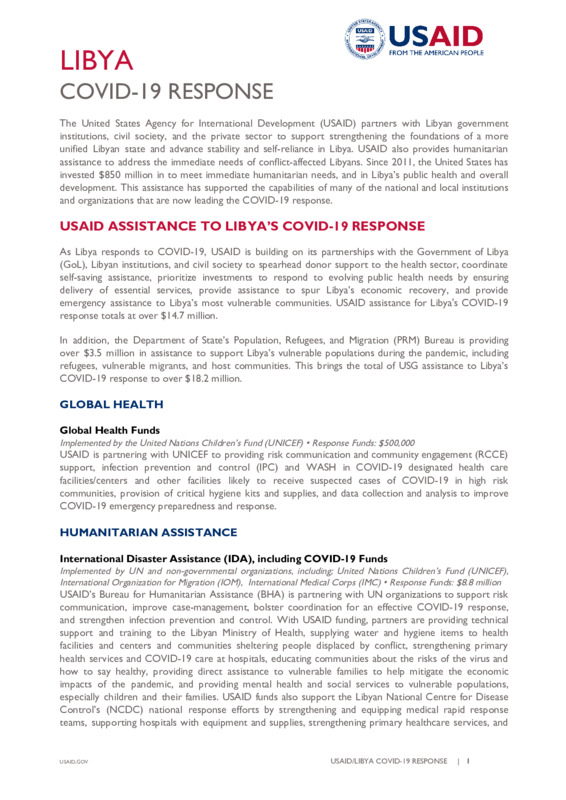
After the Obama administration intervened in Libya and removed Muammar al-Gaddafi; Libya's entire infrastructure of hospitals, emergency services, and universities became totally decimated by US airstrikes. Libya is currently experiencing a civil war post-United States intervention and it has left the population in a refugee crisis. The country most likely would have been able to handle the COVID-19 pandemic considering they had arguably the best healthcare and university systems in Africa pre US intervention.
However, it is good to see the US and UN donating money to help the war-torn country currently experiencing civil war and total humanitarian collapse. The money is being given to the US-installed regime so it will be interesting to see how it is spent. Ironically in a country that was totally decimated its oil enterprises are back online and producing crude, which before the US intervention, the money went to the people first, but now is being divided up by BP, Shell, and the US installed regime.
-
2020-11-04
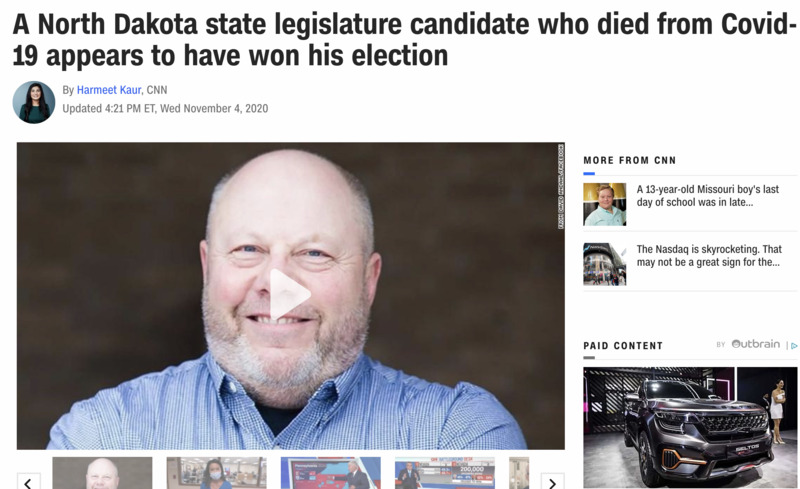
A state legislator who died still won his election. I wonder how many people knew he was dead and how many people just checked the box because it was republican. Considering he died so early I wonder why he wasn't replaced.
-
2020-11-04
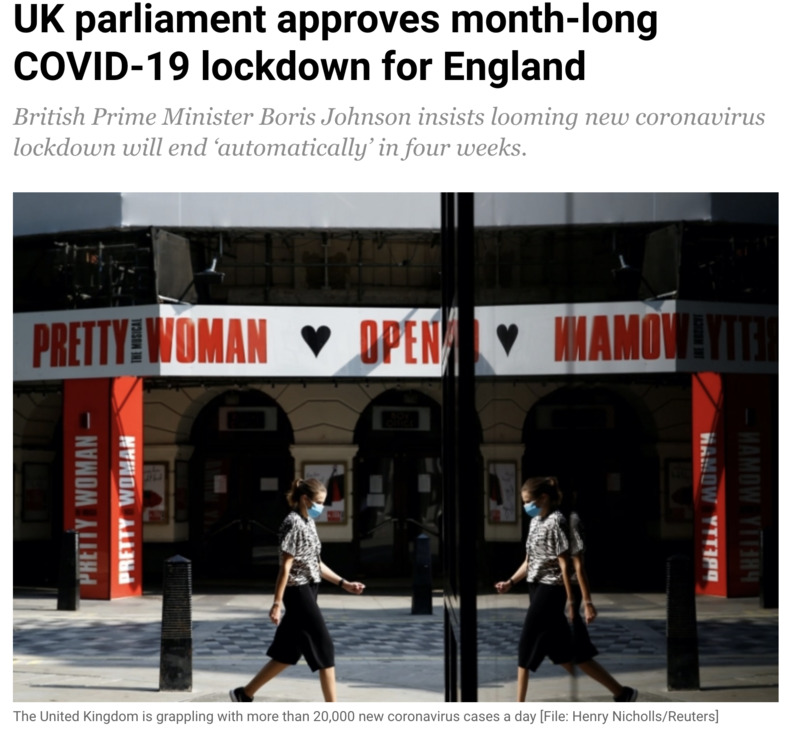
As COVID-19 ramps up in the UK, the government had to implement another lockdown. Parliament put the official stamp on it. I wonder who the 38 people against were?
-
2020-11-02
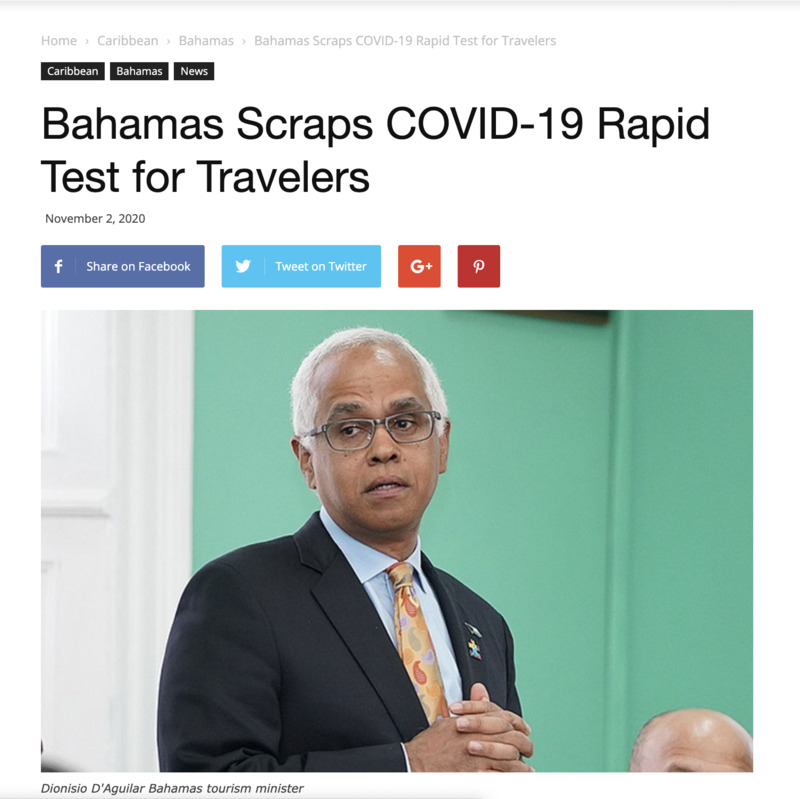
The Bahamas is desperate for tourism to supplement its economy. The rules previously in place pretty much stifled any tourism dollars that could enter the island. The new law is incredibly beneficial for that purpose and should allow tourism to regain traction.
This is good for me. Maybe I might try to go visit my family.
-
1918-11-16
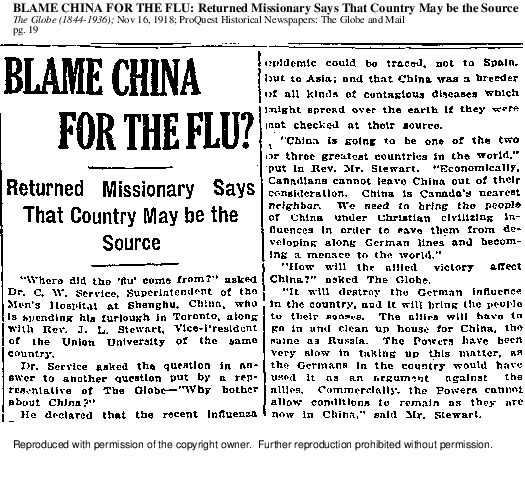
In the article, the author states that the pandemic could be traced not to Spain but Asia; and that China was a breeder of all kinds of contagious diseases which might spread over the earth if they were not checked at their source.
-
2020-03-21
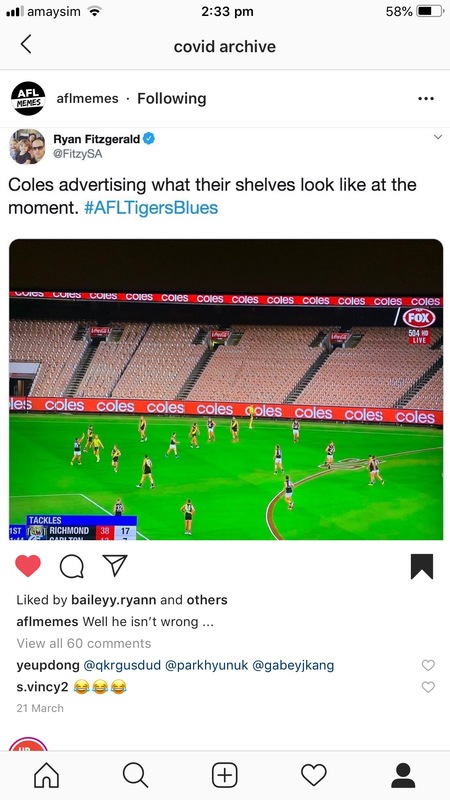
(HIST30060) As an avid footy fan, it was upsetting and very strange to see the 2020 AFL season starting without being able to attend the game at the MCG, or there be anyone in the seats when watching it on tv. This post reflects this strange moment in AFL history, but also the coinciding rush on supermarkets, particularly toilet paper, leaving lots of shortages and empty supermarket shelves. I still don't understand why seemingly everyone in Victoria and Australia decided they needed to stock up on toilet paper, but it was definitely an aspect of a very strange and stressful period at the start of the pandemic.
-
2020-04-17
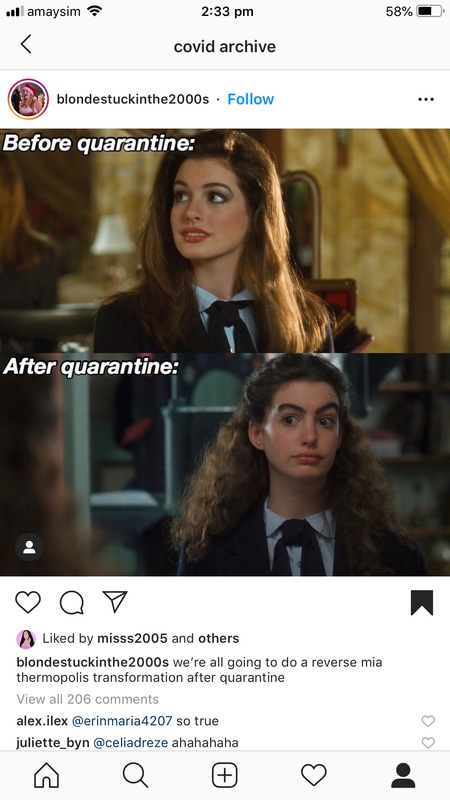
(HIST30060) With lockdown lasting for many weeks and hairdressers and beauty salons being closed (even for a while as restrictions were eased), people's well-kept and manicured looks went out the window, being replaced with long, untamed hair and eyebrows and tracksuits. We went from looking like Princess Mia to ordinary, bushy-haired Mia as in the image. Many people resorted to giving themselves and family haircuts at home (I cut my hair twice and fringe multiple times throughout lockdown), which had varying results and became an essential covid experince on social media.
-
2020-04-08
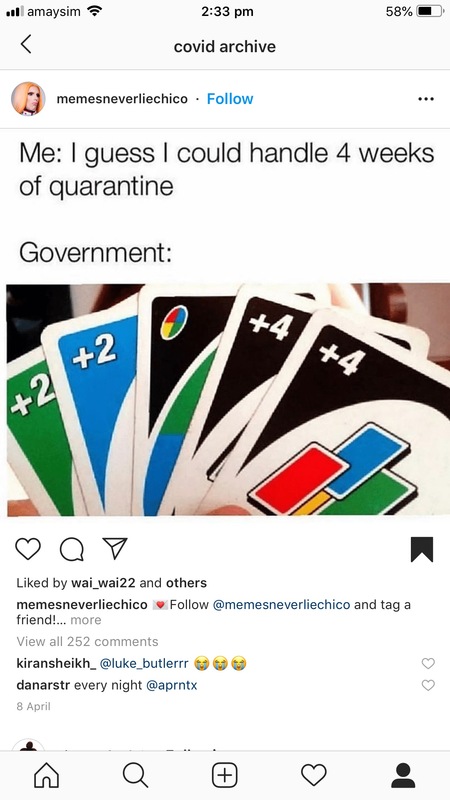
Back at the start of the pandemic, everyone thought we would locked down and at home for about 2 weeks, and then things would start getting back to normal. Little did we know that 9 months down the track would countries still be going into lockdowns and others having lighter restrictions. As the weeks went on and the case numbers kept rising, the level of restrictions increased as did the number of weeks we were in lockdown (Melbourne is just now slowly coming out of a 15 week lockdown, one of the longest in the world).
-
2020-11-05
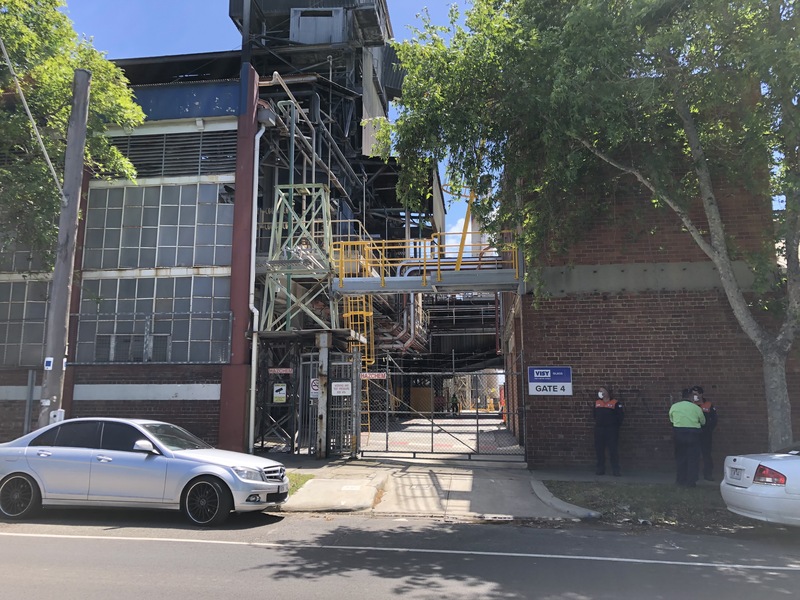
The glass factory is in the middle of Spotswood, a suburb close to central Melbourne. The factory produces glass containers for many products including baby food, vegemite, beer, wine, jam, and kombucha. They have been very busy this year, thanks to panic buying. One staff member stated that production had been high since March 2020, just like it was in Christmas 2019, the peak season for glass production. Glass bottles are made around Australia as they are quite difficult to transport, so they cannot be outsourced to overseas manufacturers. This facility has around 100 staff.
In these images you can see some staff having a break out the front of the business. They are wearing masks in accordance with Victorian (state) laws. In the other image you can also see that the workplace is taking temperature checks to reduce the risk of virus transmission.
37°49'49.5"S 144°53'30.5"E
HIST30060
-
2020-05-21
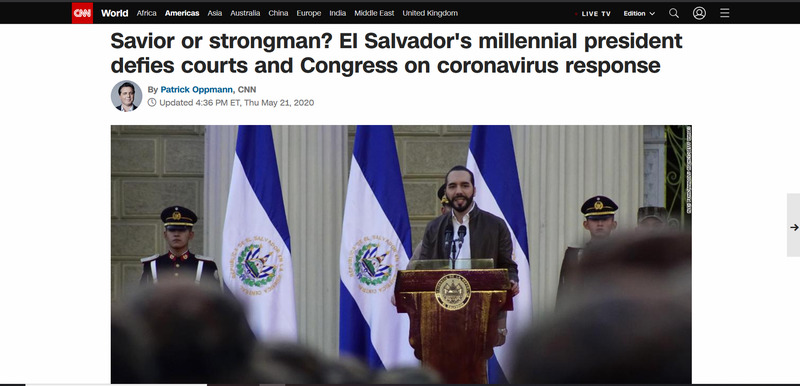
Aside from being the death of hundreds of thousands, COVID-19 may also be the impetus for the decline of democracy in El Salvador, one of the smallest countries in Latin America. In an article for CNN, journalist Patrick Oppmann provides a brief summary of how El Salvador’s populist president, Nayib Bukele, is taking advantage of the pandemic to attack the nation’s political institutions and consolidate personal power.
Ever since he was elected as a political outsider in 2019, President Nayib Bukele has utilized social media to attack his political opponents and journalists, who he believes are obstacles to his personal agenda. He also marched soldiers into the National Assembly to intimidate lawmakers into signing a bill to increase police and military funding, arousing the fear of those who remembered El Salvador’s history of military dictatorships. The emergence of COVID-19 has given Bukele the opportunity to further attack the nation’s institutions and to consolidate his own power. He placed stringent quarantine measures and deployed military policemen on the streets to catch violators, who would then be sent to quarantine centers. Bukele also used the pandemic to go after gangs such as MS-13, whose members were rounded up and taken to densely packed prisons and stripped naked. This particular measure not only violated human rights, it also harmed efforts to reintegrate gang members, according to a former gang member interviewed by Oppmann. Despite these heavy handed measures, Bukele and his administration maintain high approval ratings.
Bukele has leveraged this high approval rating to ignore El Salvador’s Supreme Court and National Assembly. The former ruled that he had no authority to extend lockdown orders, while the former proposed a bill to reopen the nation’s economy ahead of the reopening date scheduled by Bukele. Rather than acceding to their demands, Bukele had instead taken to social media, castigating both of these institutions as unrepresentative and illegitimate. Oppmann ends his article by noting that, as the pandemic continues, there will most likely be more clashes between El Salvador’s young, populist president and the nation’s other institutions.
-
2020-11-05
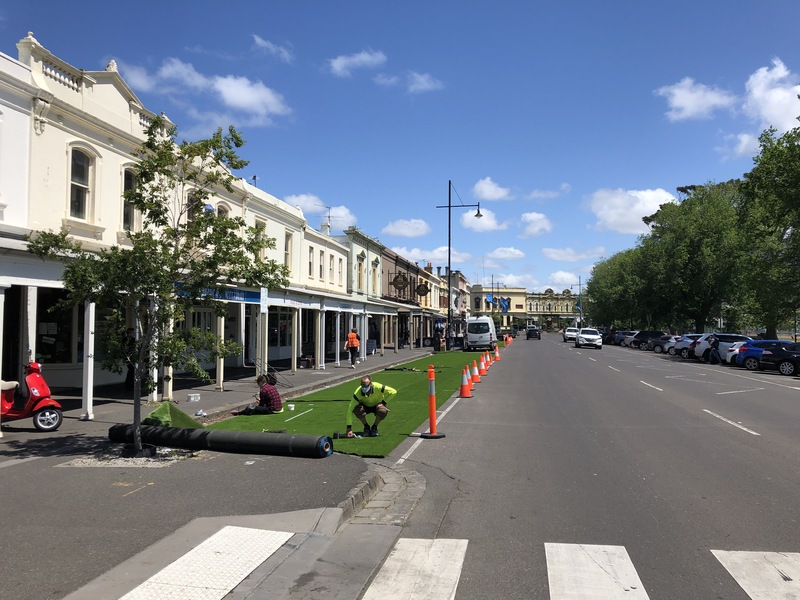
Metropolitan Melbourne is emerging from its second lockdown. Here you can see workers laying artificial turf out the front of some hospitality venues. The turf covers car parks, but it will increase the outdoor seating capacity of these venues. This will stimulate the small businesses and reduce the risk of virus transmission, as customers will sit outside rather than inside. I believe that the approach here is modeled on the Open Restaurants initiative of NYC, USA.
37°51'47.5"S 144°54'17.0"E
-
2020-03-23
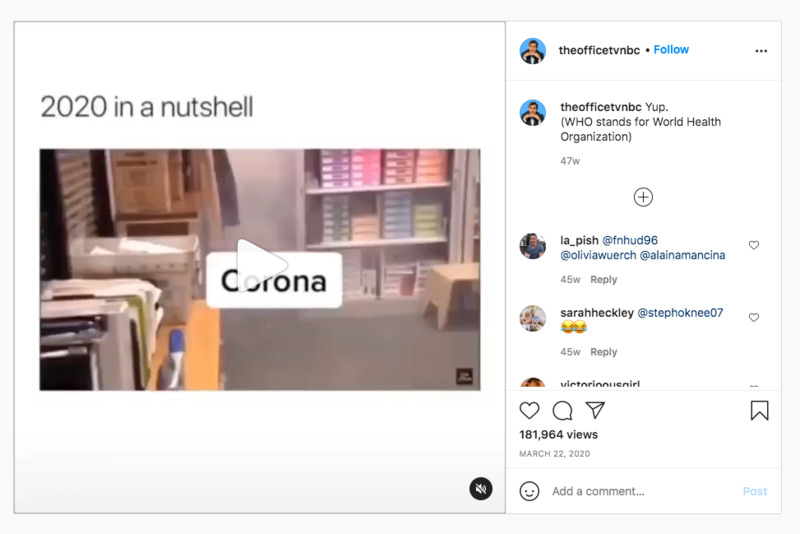
(HIST30060) This video was posted about the time in March when most of the world started going into lockdown and Covid-19 cases were increasingly rapidly everyday, particularly in Europe at that time. At uni, we'd just started online classes as Victoria went into lockdown. The video is great at demonstrating the chaos that existed as the situation became a global pandemic, when nobody knew what was going to happen the next day or really how to deal with what was occurring.
-
2020-04-16
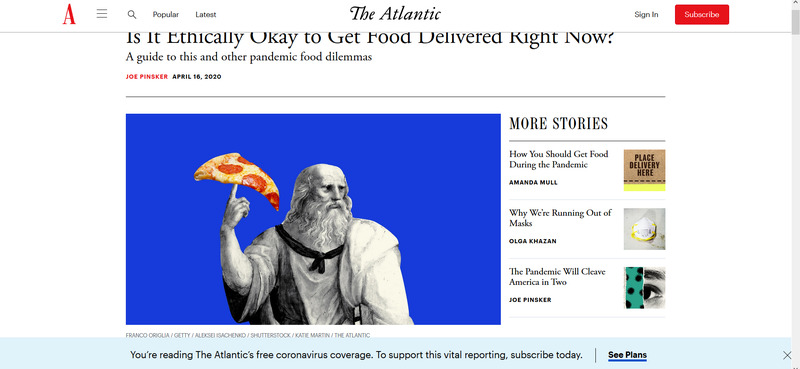
With the advent of the COVID-19 pandemic, people began to grapple with moral dilemmas about the new, deadly situation that they found themselves in. These ethical dilemmas, which are the focus of a brief Atlantic Monthly article by Joe Pinsker, concerned the basic, but important issue of procuring food and drinks, which now ran the risk of infecting and possibly killing innocent essential workers and delivery drivers. To help soothe the troubled consciences of the general public, Pinsker consulted a variety of medical professionals, food scientists, ethicists, and moral philosophers to come up with answers to the ethical questions raised by these new circumstances.
These questions included, but were not limited to: “How often should I go to the grocery store?”; “Is it ethical to get delivery?”; “How hard is it to figure out which businesses take good care of their workers?”; and “Is there anything I can do to help the people working at grocery stores, restaurants, and delivery companies?”
In his answers to these questions, Pinsker implored readers to listen to the sound medical advice given by local health officials to reduce the risk of transmission and death, as this would protect both service workers and the readers. He also informed readers that it was better to reduce shopping trips to a once a week affair, as the more shopping trips one takes increases the risk of infection and transmission to innocent people. Furthermore, Pinsker advised those concerned about a restaurant or corporation’s treatment of their workers to research online if they provide workers with paid sick leave, and to tip workers a significant amount of money if they do not. Finally, Pinsker told readers that ordering delivery was not inherently unethical, as the money spent on delivery was money that would go into the pockets of workers, who especially need any help they can get during the current pandemic-induced economic recession.
In brief, the questions presented and Pinsker’s responses provide an illuminating snapshot of how people grappled with the new moral dilemmas created by the COVID-19 pandemic. They display considerable consideration for the vulnerability of service workers, who are more exposed to COVID-19 than those working from their homes.
-
2020-09-28
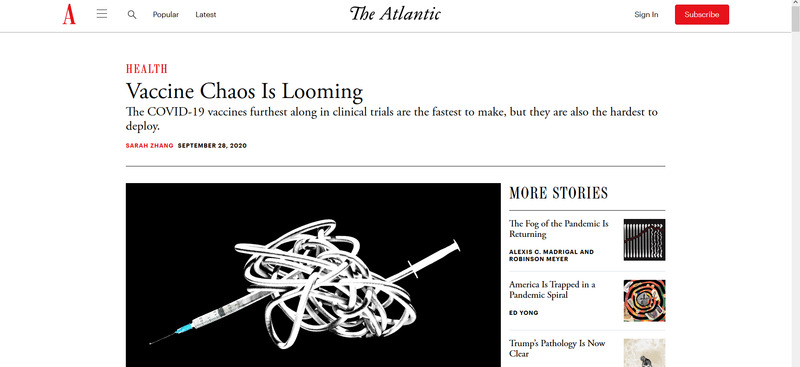
As the COVID-19 pandemic approaches its one year anniversary, many are hoping that a vaccine will soon become available at their local pharmacy, clinic, or hospital. Unfortunately, this is very unlikely to be the case, as several problems will inhibit vaccine distribution . In an article for The Atlantic Monthly that was published on September 28, 2020, journalist Sarah Zhang provides readers with a comprehensive overview of the logistical problems associated with manufacturing prospective COVID-19 vaccines and distributing them across the United States.
Zhang begins the article by noting that while some vaccine candidates have progressed very far in clinical trials, the ones that have are also the most difficult to distribute and deploy in the field. This is due to a variety of reasons, the most prominent being the method used to manufacture the vaccine (i.e mRNA encoding), which is a new, experimental method used to manufacture vaccines rapidly. While this technology has sped up vaccine production, it has come at the expense of convenience, as the prospective vaccines by Pfizer and BioNTech require specialized storage containers to maintain the dosage vials at extremely cold temperatures (-94 Fahrenheit). According to Zhang, this need for extreme refrigeration presents a logistical bottleneck for the distribution and deployment of prospective vaccines.
Indeed, according to Zhang, federal, state, and local health departments are making plans for what will most likely be the most ambitious logistical operation in medical history. Logistical problems will be further compounded by issues concerning the lack of preservatives in some vaccines (to speed up production) and the difficulty of delivering dosages to rural areas relative to urban cities. Furthermore, incomplete electronic medical registries in some local areas will make it difficult for health officials to know who exactly needs the vaccine and who should be prioritized when they first become available.
In sum, the rapid production methods used by some prospective COVID-19 vaccines will make them more difficult to distribute and deploy in the field. The need to store some in extremely cold temperatures will raise the costs of transportation and make it extremely difficult to deliver dosages to people living in hard to reach areas of the United States. Furthermore, the incomplete electronic medical registries of some local areas will make it more difficult to know if patients are taking the appropriate number of vaccine doses, which are needed to be completely effective. To paraphrase Zhang, these issues will make the first COVID-19 vaccines to be released to be insignificant, as they will not be widely distributed.
-
2020-11-04
HIST30060
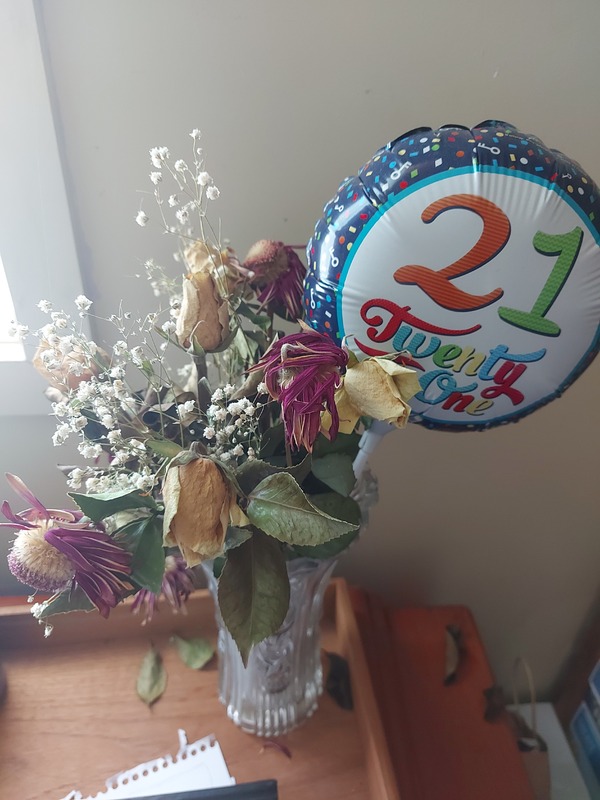
A person’s 21st birthday (whilst not as big a deal in Australia as other countries) is still considered an important milestone. I, like many other people in Melbourne, had the pleasure of experiencing my 21st birthday in lockdown. Friends were not invited. Family could not visit. Instead, I spent the day at home with only myself, my sister and my dog. I feel like this picture accurately represents what the time was like. Dead. Not literally, of course, but life had grinded to a halt during this period. And yet, that day was one of my happiest. Maybe because it gave an excuse for people to contact me. A theme I think runs through a lot of the pandemic. Because we could not meet physically, social interaction through technology became a lot more prevalent. And who doesn’t love being sent cupcakes?
-
2020-06-12
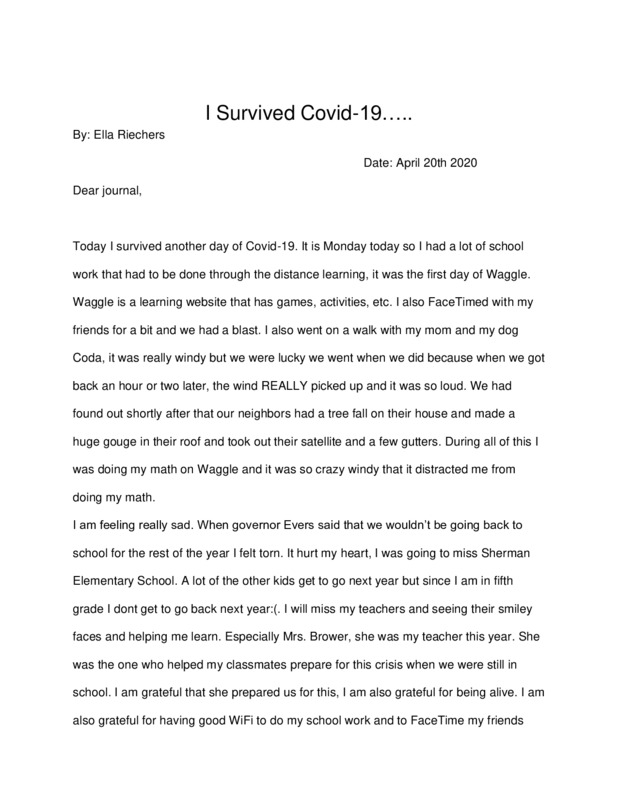
Journal by Ella Riechers, a fifth grade student at Sherman Elementary in Eau Claire, Wisconsin, describing her experiences with Covid-19.
-
2020-05-21
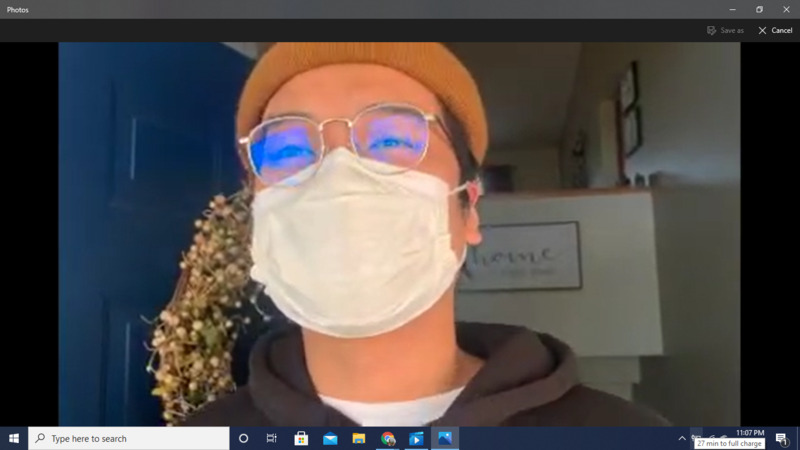
“Morning Routine” is an ad I created about Covid-19. The reason I chose this medium is that many advertisements on the internet and TV are related to the virus. “Morning Routine” is about my brother's routine and how he gets ready in the morning. It seems like a normal routine like everyone else which is to wake up, brush your teeth, put on clothes, put your shoes on and go out to the rest of their day. In the end, it shows a close of him putting on a mask. In the news, there is a lot of talk about when normal is coming back. Countries all over the world were under lockdown to prevent the spread of Covid-19. In Minnesota, the confirmed cases are not as extreme other states like New York. My personal experience with Covid-19 is doing my part of trying to make things better. In my family, many are nurses so are making sacrifices and working hard. I am still in college trying to become a nurse so staying home is doing my part to make their job easier. On social media, many of my peers and others are complaining about when all of this will be over. People are going out acting like life is normal by hanging with friends without social distancing and not wearing masks. As time goes by, many countries are now easing lockdown trying to bring up the economy against, but the consequences are increasing the chance of the virus spreading more. Although I try to stay home as much as possible, I have uncles and aunts that are getting older and are at a higher risk by the coronavirus so I grocery shop for them every week and deliver them. When I go to grocery stores, I get very anxious because many people are not wearing masks. I don’t want to be the one responsible for getting corona and getting my family sick. The coronavirus is going to stay and be here for a while until a vaccine is found and produced on a
large scale. This in my opinion is the new normal because I don’t think we will ever go back to normal. This pandemic has and will keep changing the way we live in the future.
-
2020-05-07
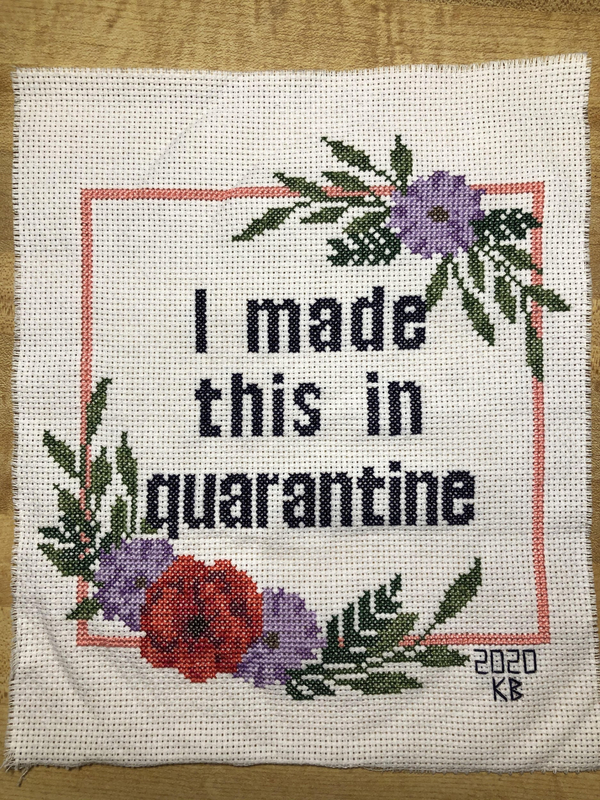
In Spring 2020, after the pandemic closed the University of Wisconsin Eau Claire campus, UWEC history major Katie Boucher handmade this cross stitch during quarantine.
-
2020-11-01
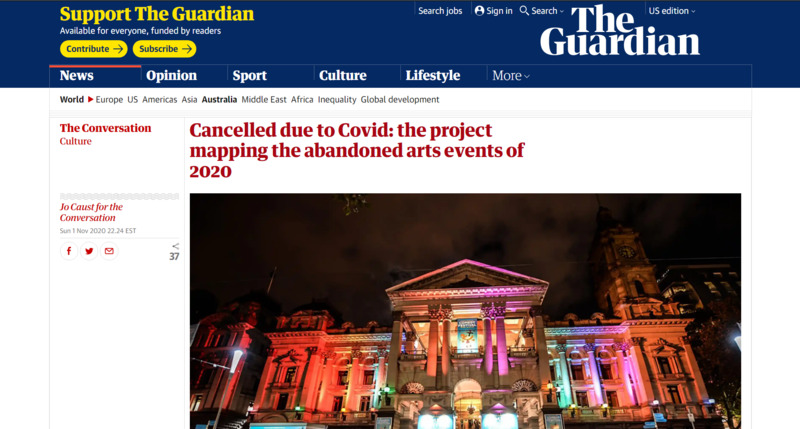
COVID-19 has caused many performing art shows to be closed around the world. Artist Anna Tregloan made a branch of her already established Impossible Project to track what shows by Australian artists that have been cancelled or postponed.
-
2020-04-29
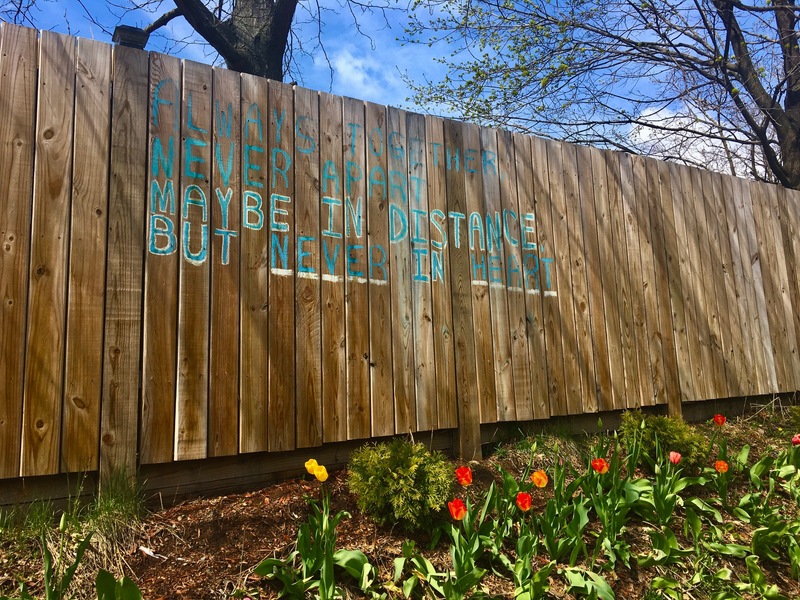
A simple poetic sentiment on my neighbors fence is more than enough to brighten a day. It might have been written with the "community chalk" placed near the sidewalk a few doors down.
-
2020-04-29
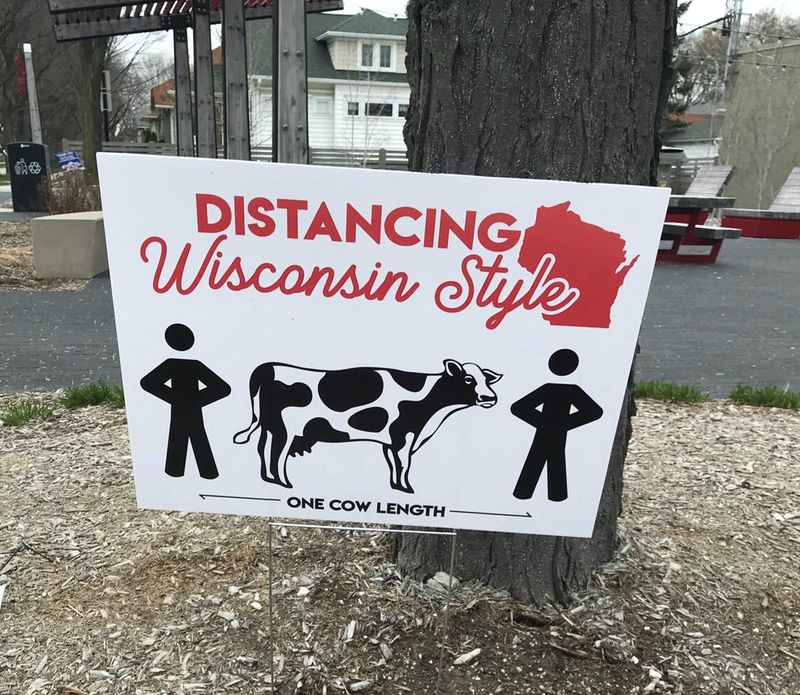
The image is of a yard sign using a dairy cow as a measuring device for social distancing. Wisconsin’s dairy industry is a major contributor to its agrarian culture. This yard sign makes a funny reference to both the dairy industry and COVID-19.
-
2020-11-01
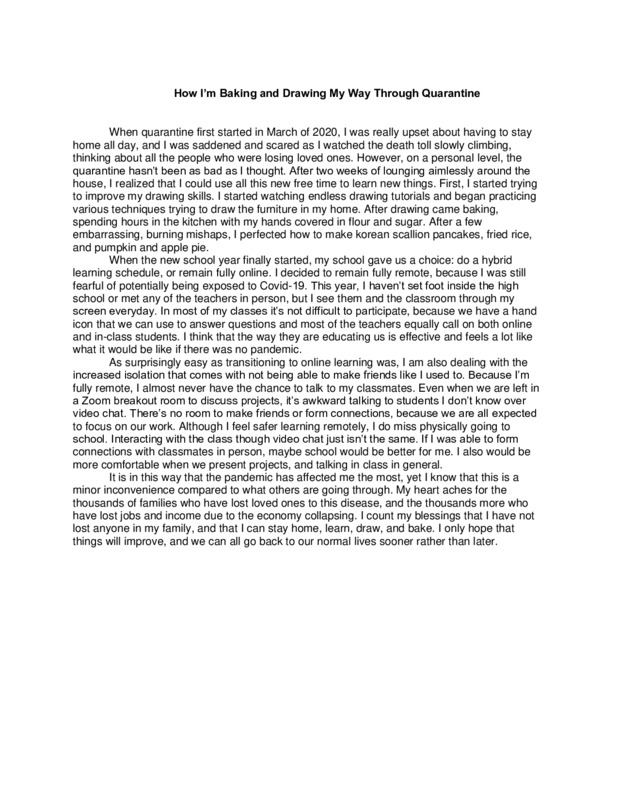
An essay I've written that talks about how I am coping with the pandemic, as well as some of the things I am struggling with.
-
10/22/2020
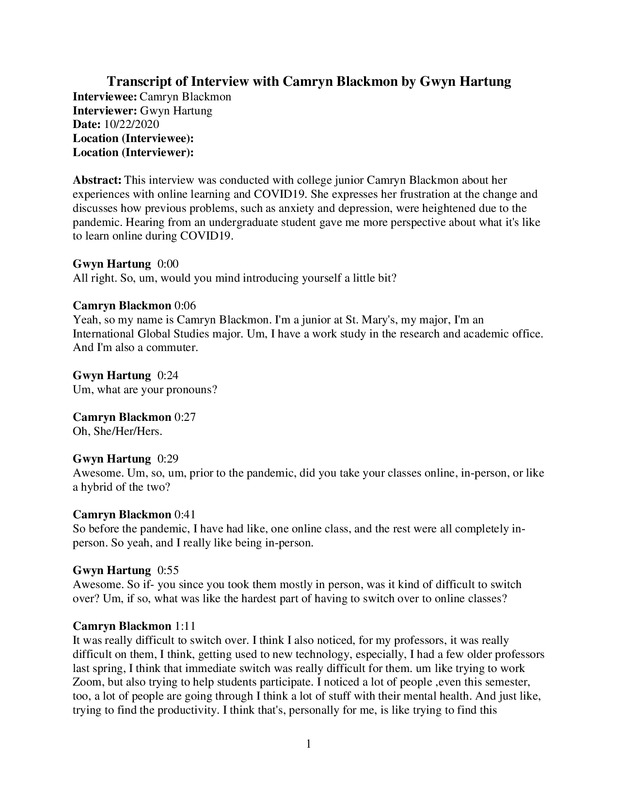
This interview was conducted with college junior Camryn Blackmon about her experiences with online learning and COVID19. She expresses her frustration at the change and discusses how previous problems, such as anxiety and depression, were heightened due to the pandemic. Hearing from an undergraduate student gave me more perspective about what it's like to learn online during COVID19.
-
2020-09-25
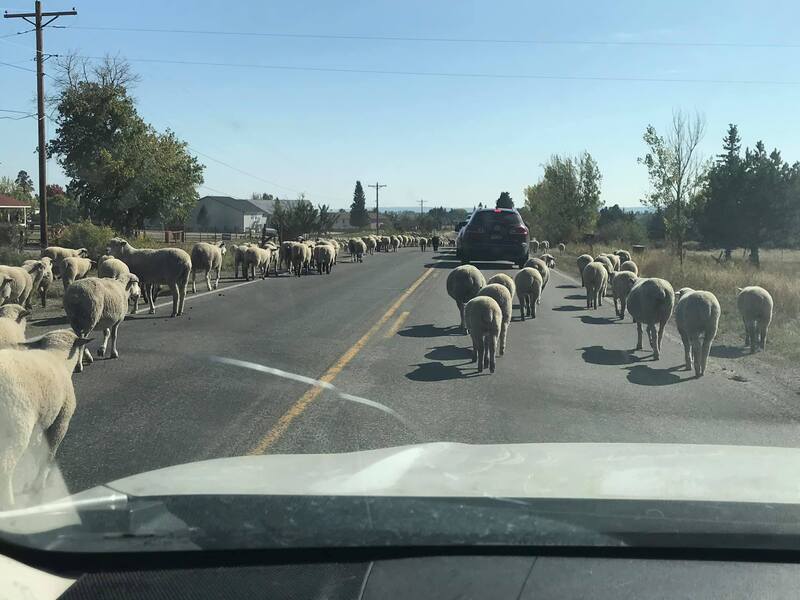
COVID has sent the planet for a loop. In general, we are all reeling from the changes and policies that have been implemented. However, in some areas where life moves a little slower, there are some things that continue on, business as usual.
-
2020-08-20
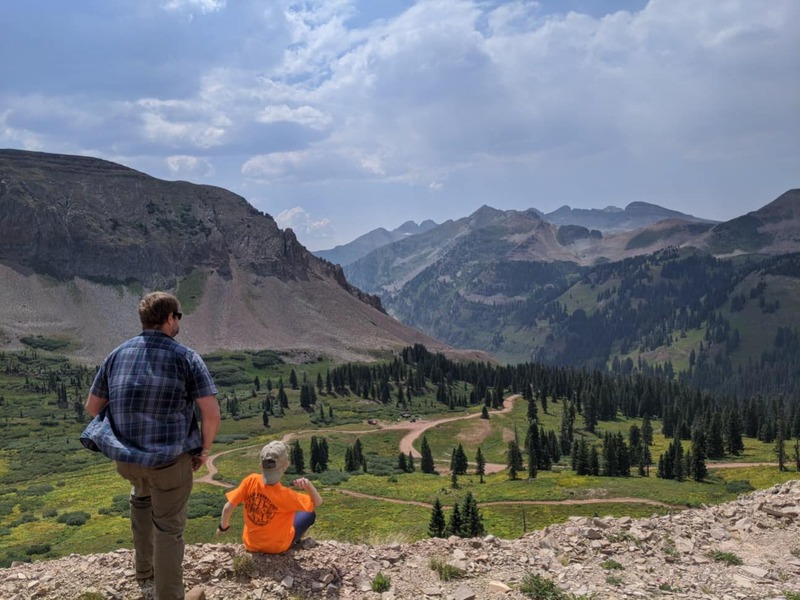
Even in a global pandemic when everything is shut down, there are still a million things to do and see. This was our family’s trip up Kennebec Pass, which is only an hour from our hose. Covid is the perfect opportunity to explore your own back yard, provided you do so safely!
-
2020-10-09
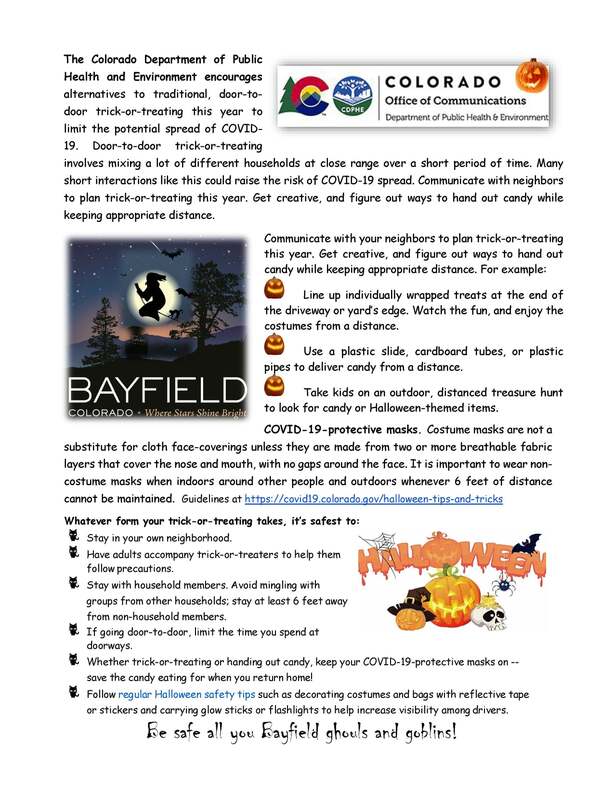
The Town of Bayfeld has outlined the procedures for Halloween during COVID.
-
2020-08-08
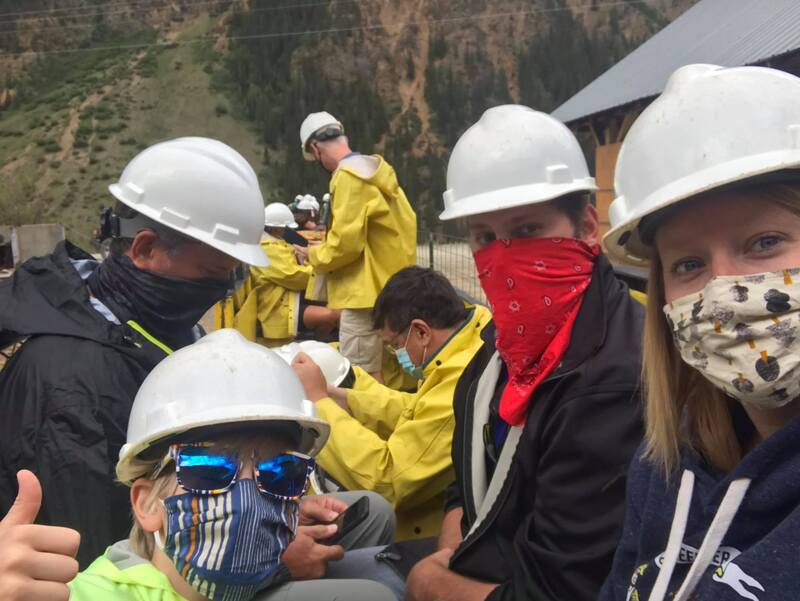
When my family and I toured the Old Hundred Mine in Silverton, Colorado, we needed to be protected! In addition the usual hard hat and warm clothing, masks are also required.
-
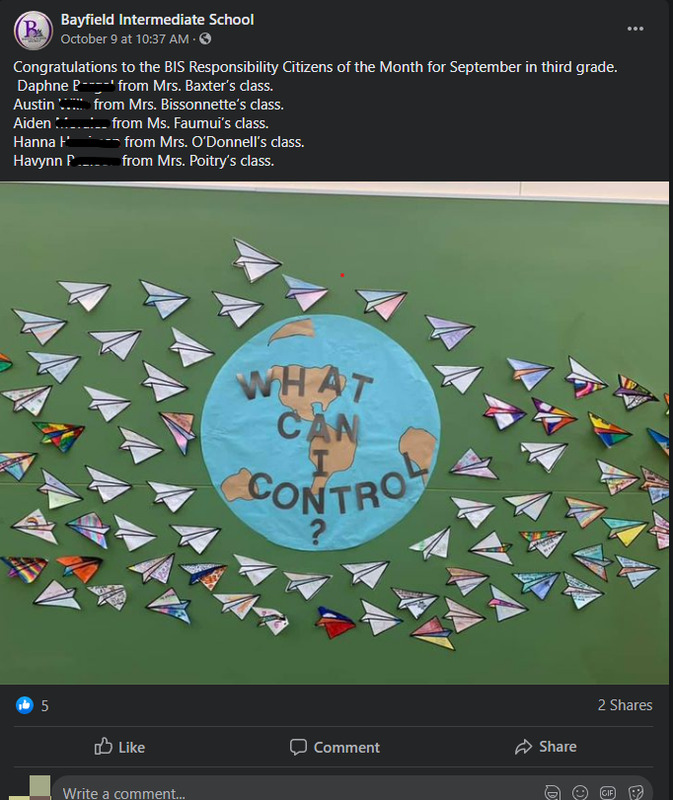
2020-10-09
This is an example of how our local school district is helping children navigate and make sense of this pandemic.
-
2020-11-04
This video was sent via email from American Airlines, it explains how wearing masks, forward-facing seats, and filtration systems help keep passengers safe on airplanes. There's no mention of actually cleaning the planes, just the assurance that flying during a pandemic is relatively safe.
-
2020-04-20
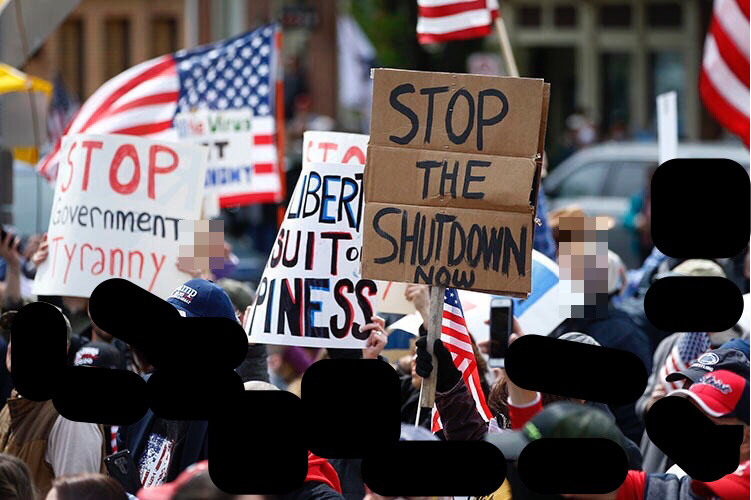
This redacted photo from the Associated Press covers anti-lockdown protests in Harrisburg, Pennsylvania on April 20, 2020. I redacted the original to protect the identities of the protestors. The crowd demanded the reopening of their state’s economy. Their demonstrations came on the heels of new social distancing measures to help diminish the spread of Covid-19. The article that accompanies this photo should be essential reading for both journalists’ safety and the public’s safety. The tips on protecting oneself in a violent crowd are widely applicable.
-
2020-10-24
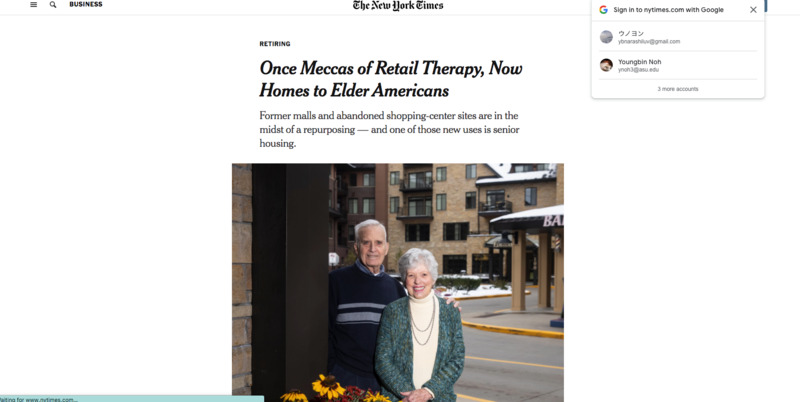
Due to economic hardships brought on by the Covid-19 pandemic, many shopping centers and malls have seen their last shoppers. Many of these structures are now being repurposed for upscale, senior retirement living. The article observes that the over-65 population is “increasing by about 10,000 a day,” which makes such repurposing an inventive and useful idea. Wasik also writes that “the retail-to-housing transformation [has] been accelerated by the pandemic.”
-
2020-06-25
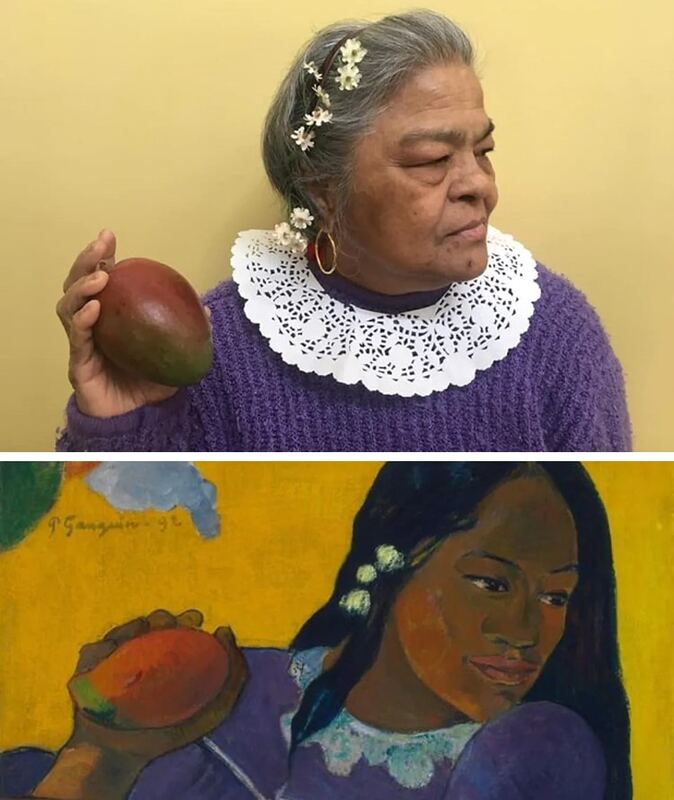
These images are so visually striking and uplifting. A lot of diversity is represented in the group as well. The seniors used their creativity and their imagination to take part in the challenge. These photos were taken at the Amenida Seniors Community in Surrey, British Columbia, Canada. Perhaps other museums can follow suit and issue “museum challenges” to ease the stress of Covid-19.
-
2020-03-19
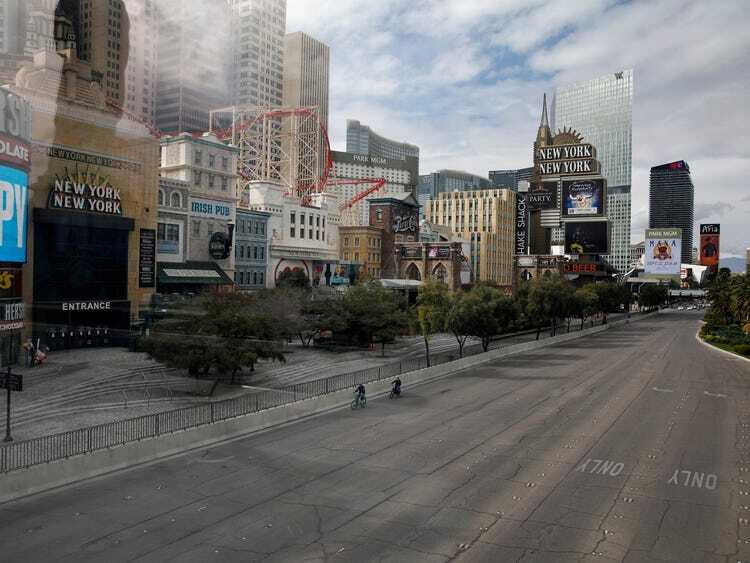
What it does means to me is that our bright and beautiful city which was active was dead, it was a ghost town. It showed that at that time the Governor Steve Sisolak needed to make a very difficult decision and shut down our country in order to protect the Nevadans. But it came at a risk of shutting down our economy many Nevadans have been hurt recently, When it came to the federal government barely anything has been done. There are still millions of Americans who are struggling to put food on the table for their children and Congress can't put politics aside for the betterment of the American people. I was one of the lucky ones and I have been negatively affected so I don't know how it must of felt for the Americans who are struggling but I know it must be painful.
-
2020-06-27
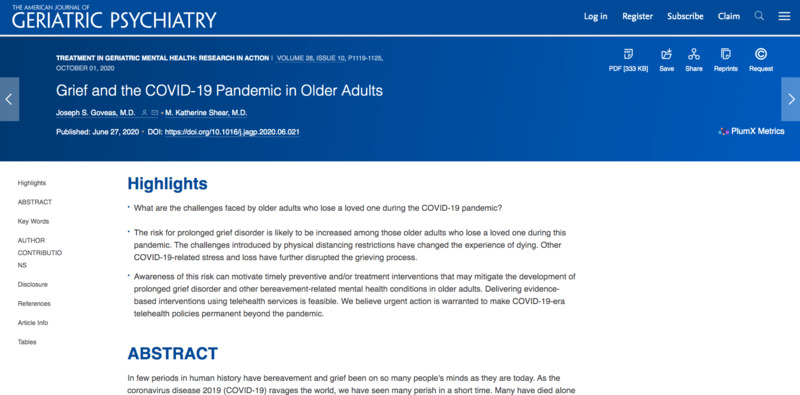
Doctors Joseph S. Goveas and M. Katherine Shear anticipate an increase in prolonged grief disorder after the pandemic. They contend that this will hit older Americans particularly hard. Their research begins with an anecdote about Alice, a 78-year-old woman, who lost her brother Charles, aged 69. The two were very close. According to the article, Alice felt guilty that she could not be with Charles during his moments. After his death, she experienced loss of sleep and weight loss, although it was not severe enough to be categorized as major depression. Below is her story from the article.
“Seventy-eight-year-old Alice lost her only sibling, Charles, age 69, to the coronavirus disease 2019 (COVID-19). Alice and Charles lived in different towns but were very close, speaking daily on the phone for hours. They were practicing Christians and had similar interests. He often drove to visit her. They enjoyed spending time with each other and doing things together. Despite having coronary artery disease and hypertension, Charles was independent and happy. Alice was shocked to learn he had been hospitalized for COVID-19 pneumonia and that he was intubated and on a ventilator. A bereavement coordinator reached out to her, which she very much appreciated. However, Alice declined an offer to visit Charles, frightened of contracting the disease herself. She understood that she, too, was at high risk for dying of COVID-19 because of her age. Although she tried to reach out to him via Skype, Charles died with only the bereavement coordinator and hospital staff at his side. Alice completed the funeral arrangements via Skype. Charles was cremated without her being present, and his ashes were delivered to her. Several weeks after his passing, Alice was plagued by remorse for abandoning her dying brother. She yearned to be with Charles and could not believe he was gone. She fluctuated between numbness, overwhelming sadness, and intense guilt. She could not stop thinking that she failed her brother during his last days. She was having trouble sleeping and was beginning to lose weight but did not meet criteria for major depression. She liked to reminisce about fond memories of Charles and knew he was with God. She had confidence in the religious belief that she would see him again one day. She also knew that she wanted to live and that she would carry Charles in her heart for the rest of her days. She continued to talk with the hospital bereavement coordinator weekly, an important source of solace. They often discussed the details of her plan to hold a memorial service in celebration of Charles’ life after pandemic restrictions are lifted.”